
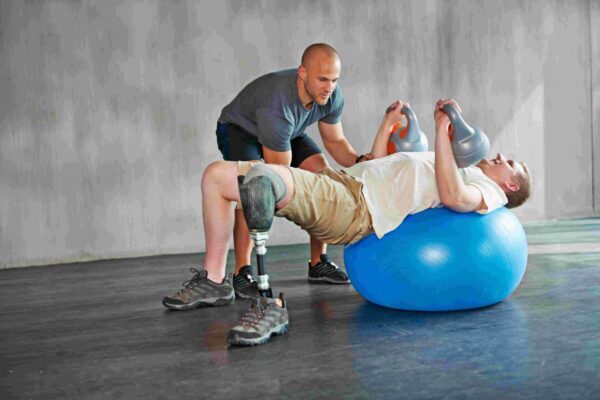
Everyone needs to train safely. Crossfunctional fitness is a high–intensity workout that uses natural movements. It makes you stronger, more balanced, and able to last longer, but safety should come first. People in Marquette and other locations engage in functional training to reduce their risk of injury. Correct movement, warming up, loading, and recovering all contribute to preventing common injuries and achieving your long–term fitness goals.
Why it is important to be safe while training
High–intensity workouts can hurt you if you don’t take care of yourself. Muscle strain, joint pain, or accidents can happen even if you make small mistakes with your posture, speed, or load. Functional fitness works out many joints and muscles at the same time. Not warming up or using the wrong technique can increase your risk of injury.
Beginners need help, and even experienced athletes need to check their form. Good safety habits include using the right gear, slowly increasing the load, and knowing your body’s limits.
Movements that work Lower Risks
Functional movements are like things you do in real life. They work out many different muscles at once, which helps with coordination and stability.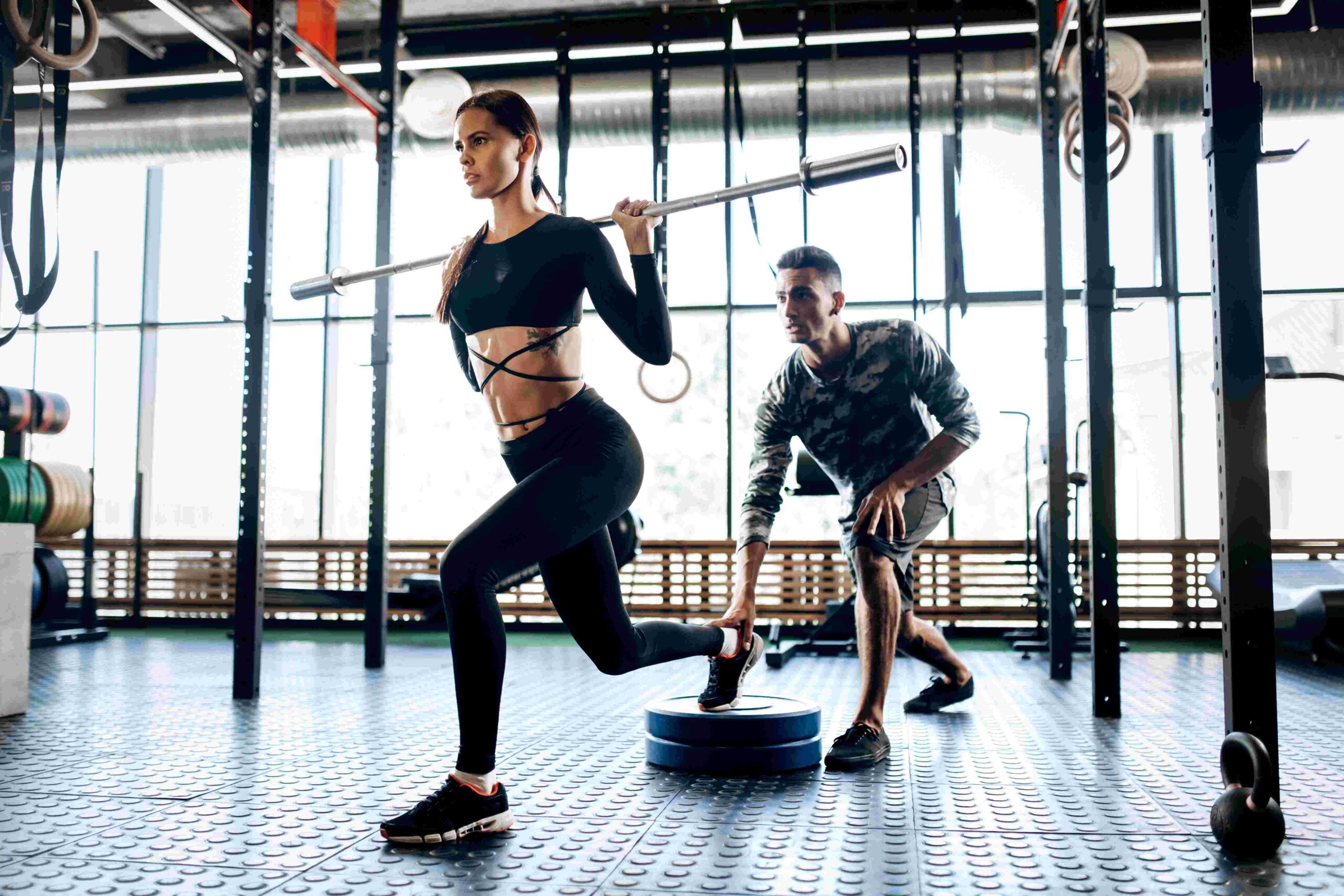 Using the right form helps spread stress evenly throughout the body, which lowers the risk of localized overload. After regular training, people feel less pain in their joints and have more control over their movements.
Functional Movements to Stay Safe
- Squats and lunges make your legs and core stronger.
- Push–ups and presses help you keep your upper body stable.
- Deadlifts done correctly protect your back.
- Kettlebell swings make you stronger without hurting you.
- Planks and rotational moves work the stabilizer muscles.
These exercises help your body move better, which lowers the risk of sprains and strains. The functional approach is safer than repeating the same exercise with one muscle because it teaches joint cooperation.
Warm–Up and Movement
Warming up gets the body ready for hard work. Simple movements speed up the heart, improve blood flow, and relax the muscles. Mobility exercises help joints move more freely and make them less stiff. Warm–up can help you avoid a lot of injuries that happen in functional fitness.
Good ways to warm up and get moving
- Leg swings and arm circles are examples of dynamic stretches.
- Rotating the joints in the shoulders, hips, and ankles
- Do some light cardio for 5 to 10 minutes.
- Exercises to get your core and glutes going
- Movement drills that are like the patterns you’ll use in your next workout
Just 10 minutes of warm–up reduces the risk of injury. People in Marquette often do light functional drills and mobility work before their main session. A proper warm–up also helps with performance and coordination.
Correct Load and Technique
Overworking muscles or using poor form are the main causes of injuries during training. To be functionally fit, you need to pay attention to your form, control your speed, and gradually increase the weight you lift. Trainers say to start with light weights, learn how to move, and add resistance slowly.
How to Load and Use Proper Technique
- Begin with lighter weights or your body weight.
- Before you make things harder, make sure your posture is right.
- Assess your form with mirrors or feedback from your trainer.
- Don’t make sudden changes in load or speed.
- Take breaks between sets to keep your movements smooth.
Keeping good form puts less stress on your joints and muscles. Even experienced athletes obey these rules to stay injury–free. For long–term success, it’s important to move up slowly.
Rest and Recovery
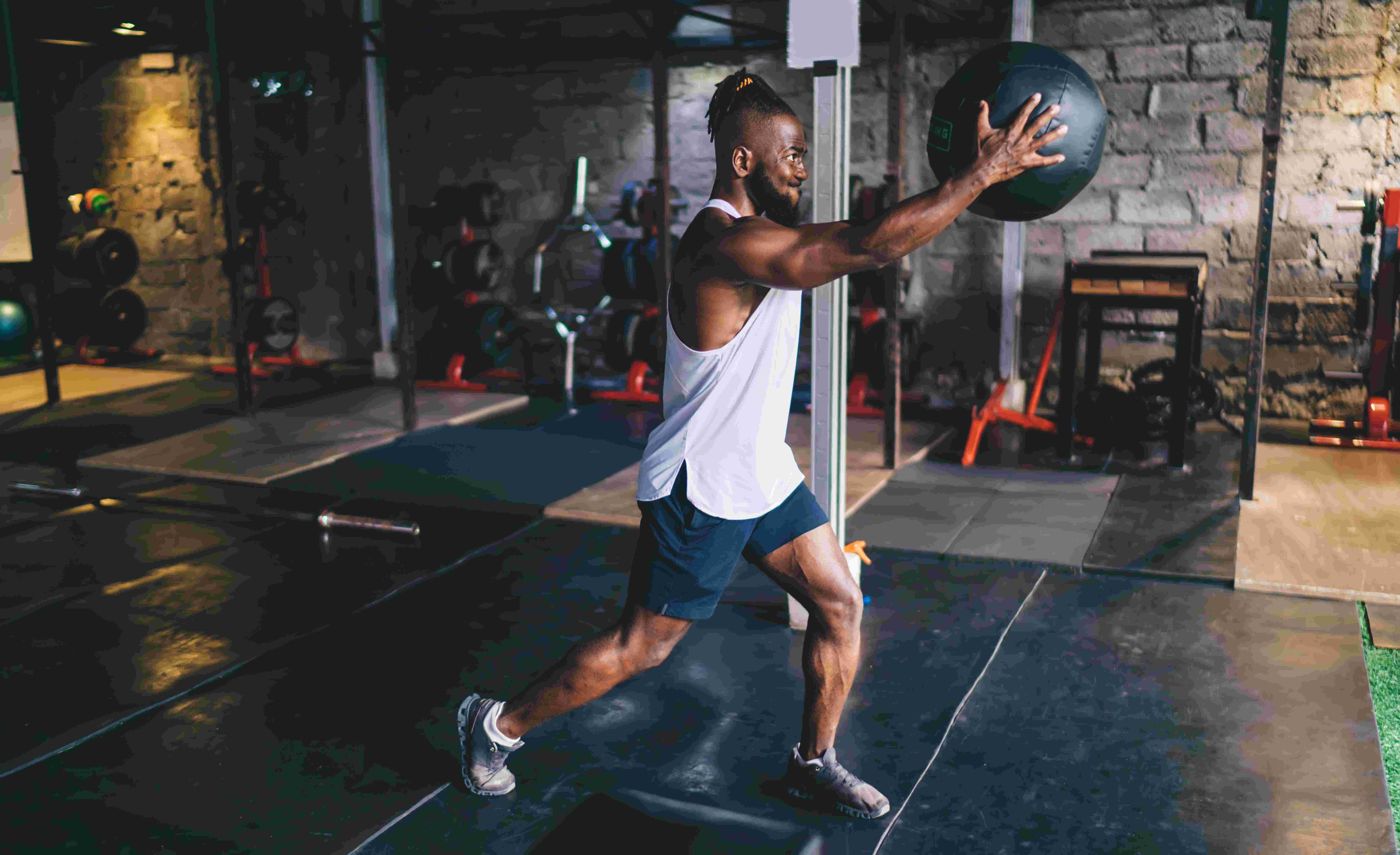 Recovery is important for avoiding getting hurt, after stress, muscles need time to heal. Overtraining without sufficient rest can lead to fatigue, negatively impact your form and raise your risk of injury. Getting enough sleep, drinking enough water, and stretching all help you recover faster. Active rest days or lighter sessions are also part of recovery.
People see better performance and less soreness when they respect recovery. Cross–functional fitness programs often include planned breaks, which help people stay on track without hurting their bodies.
Group Effect and Trainer Guidance
Trainers show the right way to do things and check how well people are doing. Group classes are a good way to get people to work hard, and they also give the teacher a chance to correct mistakes. Real–time feedback stops mistakes from becoming detrimental habits. Participants learn how to change the intensity safely.
Being in a group also makes you more aware. Watching other people do things right can help beginners learn how to do things right. Social support makes people more likely to follow safety rules and boosts their confidence.
Why it matters to prevent injuries in Marquette
Cross–functional fitness works and is useful, but safety comes first. Engaging in functional movements, warming up, using appropriate weights and seeking guidance from a trainer all contribute to reducing the risk of injury. People in Marquette follow safety rules, so they get benefits without any problems. Safe training makes you fit, strong, and confident in the long run. Not just for beginners, injury prevention is important for everyone.
Comments are closed